
Workshop, Developer Training
Prompt to Production: AI for Software Teams
Hands-on workshop for Kontentino's dev team. They learned to ship faster with AI tools. Working prototypes proved the results.

Kontentino
For dev teams
An AI-native SDLC is a development lifecycle where AI agents write code to shared rules and every change passes automated checks before a person sees it. It is how we work ourselves: AI writes all our code, and we have shipped 15+ production projects since 2023.
A development team wanted to turn AI from theory into daily practice. In a two-day workshop and hackathon it set up a shared flow: brief, generate, test, fix. In two days it built prototypes and left with a playbook that became part of its daily work.
Workshop from brief to productionHarness engineering: shared rules for agents (AGENTS.md, CLAUDE.md) and gates in CI: tests, lint and AI review. The agent gets feedback from machines before a person opens the PR. Our public starter shows what that looks like.
Loop engineering: the agent goes from task to plan, code and tests up to a PR, and fixes its own work on every failed check. This is how we work too: today AI writes all our code, and Filip is accountable for production.
Context engineering: conventions, architecture and decisions live in the repository, not in heads and on laptops. A talk for a software team planned for 90 minutes ran to 124, because everyone had their own rules and nothing shared.
How we solve it: We set up the rules, review and automated checks so AI code reaches production safely.
Example: A workshop for a software team: real backlog work with AI agents, from the brief to a working prototype. Case study →
How we solve it: A senior joins your repository and pull request flow from week one.
Example: Filip delivered AI features for a SaaS that 60,000+ people used daily. Case study →
The hard part is not switching AI on, it is setting it up so the team gets faster. We build three layers right in your repository: harness engineering (rules and gates), loop engineering (the agent loop with checks) and context engineering (what the agent knows about your code). On your real backlog, not a demo project, and all of it stays with your team.
Hands-on workshop for Kontentino's dev team. They learned to ship faster with AI tools. Working prototypes proved the results.
Kontentino
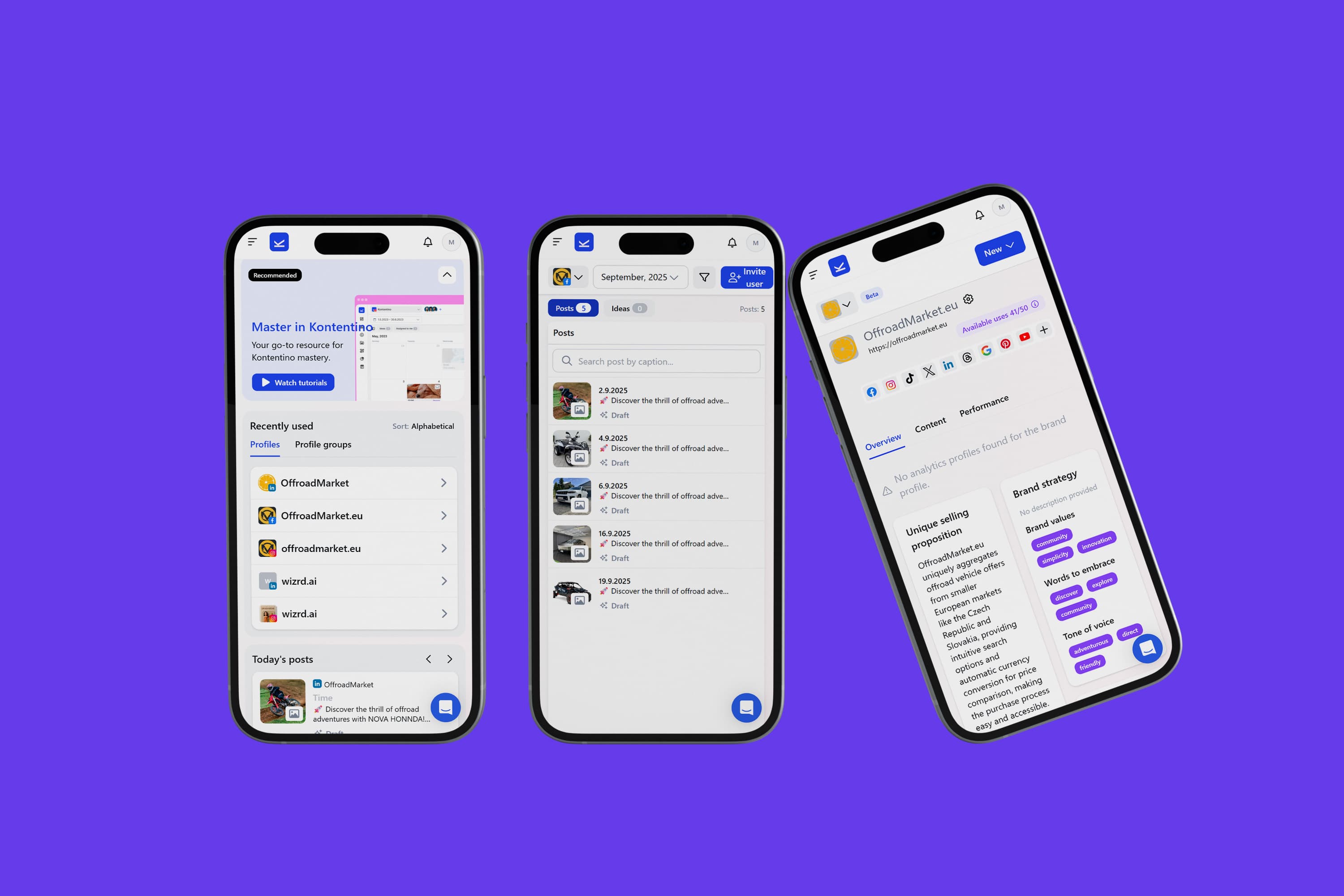
Filip spent 7 years in the development of a SaaS that 60,000+ people used every day, including its AI features.
Kontentino
“Digitaliko built our AI image generator, and our users love creating social media visuals effortlessly.”

Try the first month. If we miss what we wrote down, we refund 50 %. Monthly subscription from €3,980 excl. VAT, pause or cancel any time. Or a fixed price per project: tell us what you need and we send you a quote and a list of what we deliver. Code, data and infrastructure owned by the client from day one.
Month one starts with a written list: what we deliver and how you can check it. The 50 % money back is measured against it.
Only your own hosting, AI model usage and the AI tool licences for your team. You pay them directly to the providers, not through us.
After launch you get 30 days of support. Then you pause the subscription. When something needs changing or adding, you resume it and we carry on. After you cancel, the software, data and infrastructure stay yours. When you leave, we fix the bugs from the last month.
from€3,980/ month excl. VAT
Let's ship what's holding your product backOr a 15-minute meeting with Filip
Vibe coding accepts AI output that looks finished. Agentic engineering puts the same AI inside a closed loop: a spec, tests, hooks, a review gate and a person who merges. What breaks without the system, and the code that closes the loop.
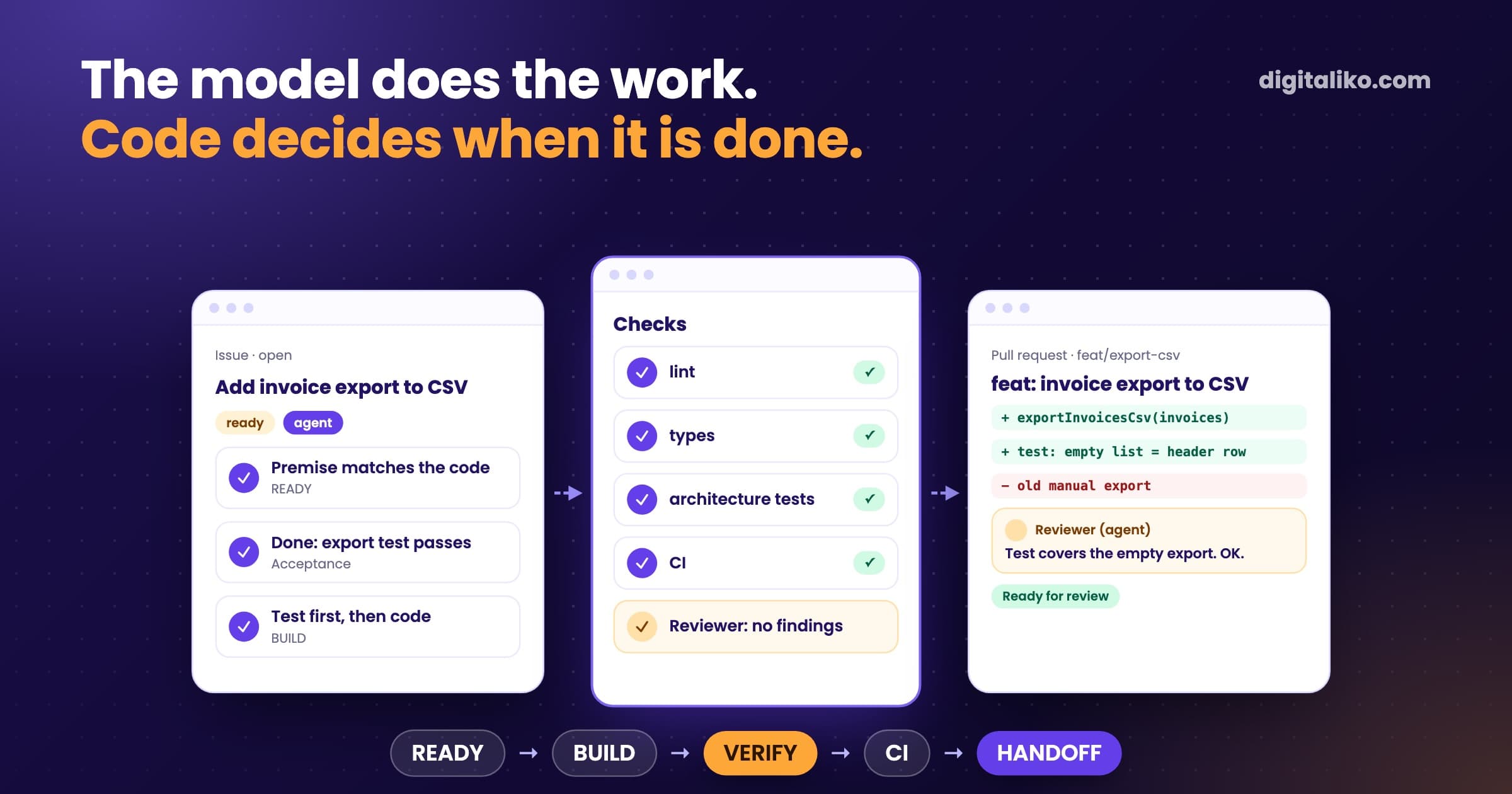
Harness engineering in practice: the code around an AI agent that decides what it takes, when it is done and who checks it. Our loop from a GitHub issue to a reviewed PR, the code that carries it, and what broke.
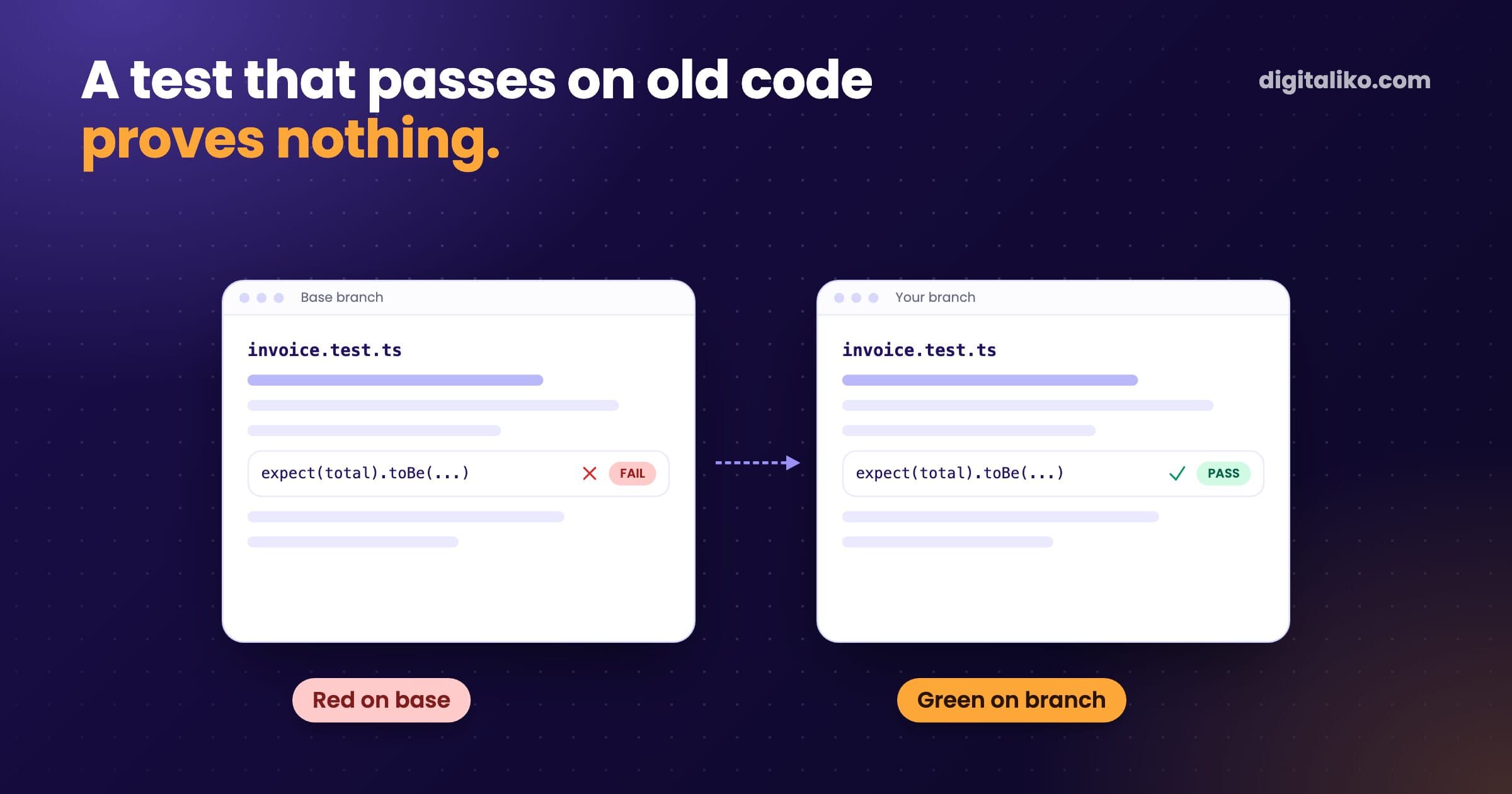
AI agents write tests that pass, not tests that prove anything. Our gate runs every new test against the base branch first: if it passes there too, the PR is red. The script, how to add it to CI, and the bug that gave a false pass.
Tell us about it. We get back to you within two business days, and together we pick what to fix first.